Rimark × IBAT: Modern Money for Main Street
A partnership to put bank-governed, real-time settlement in the hands of community banks.
Community banks were told to prepare to be disrupted. Instead, they organized.
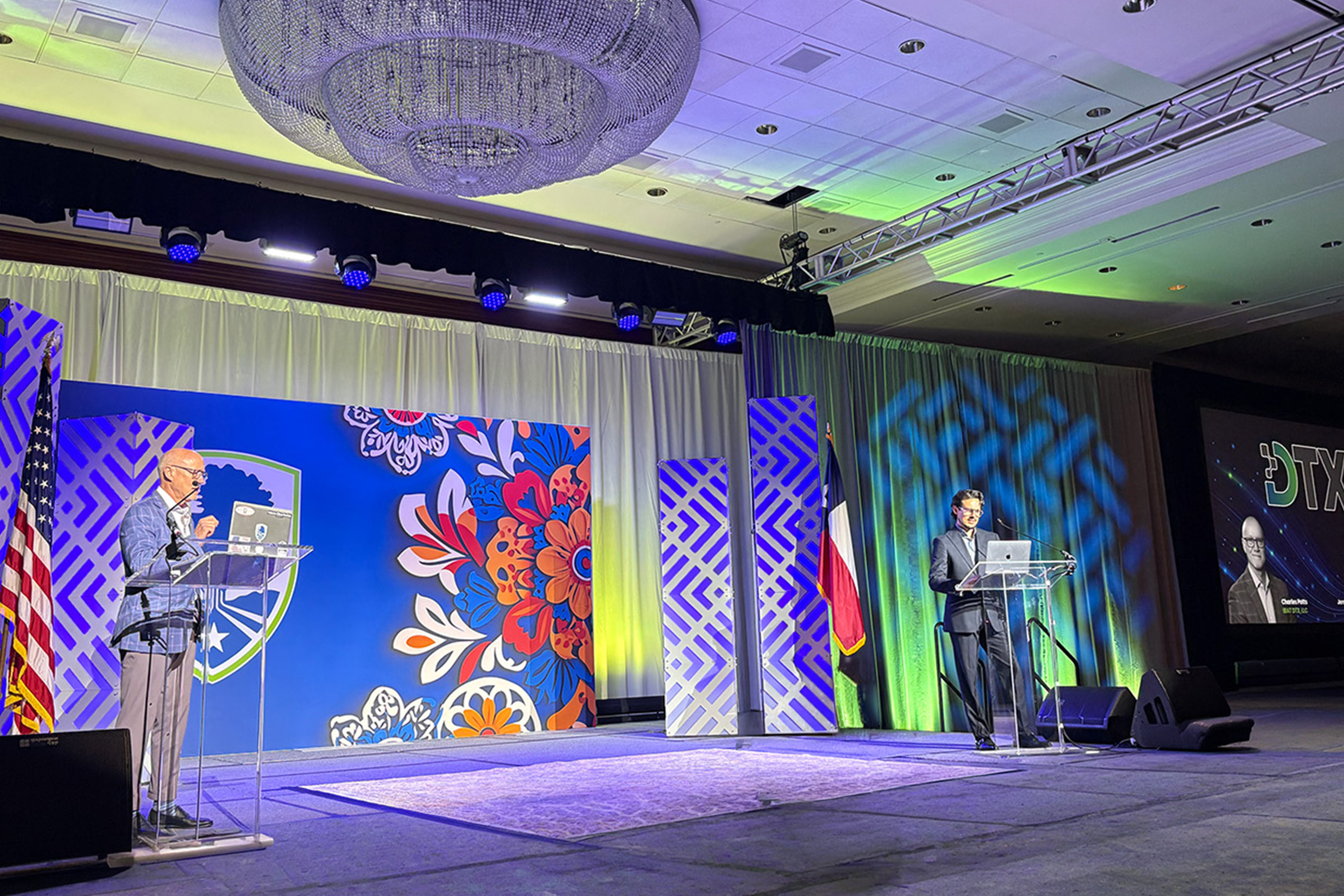
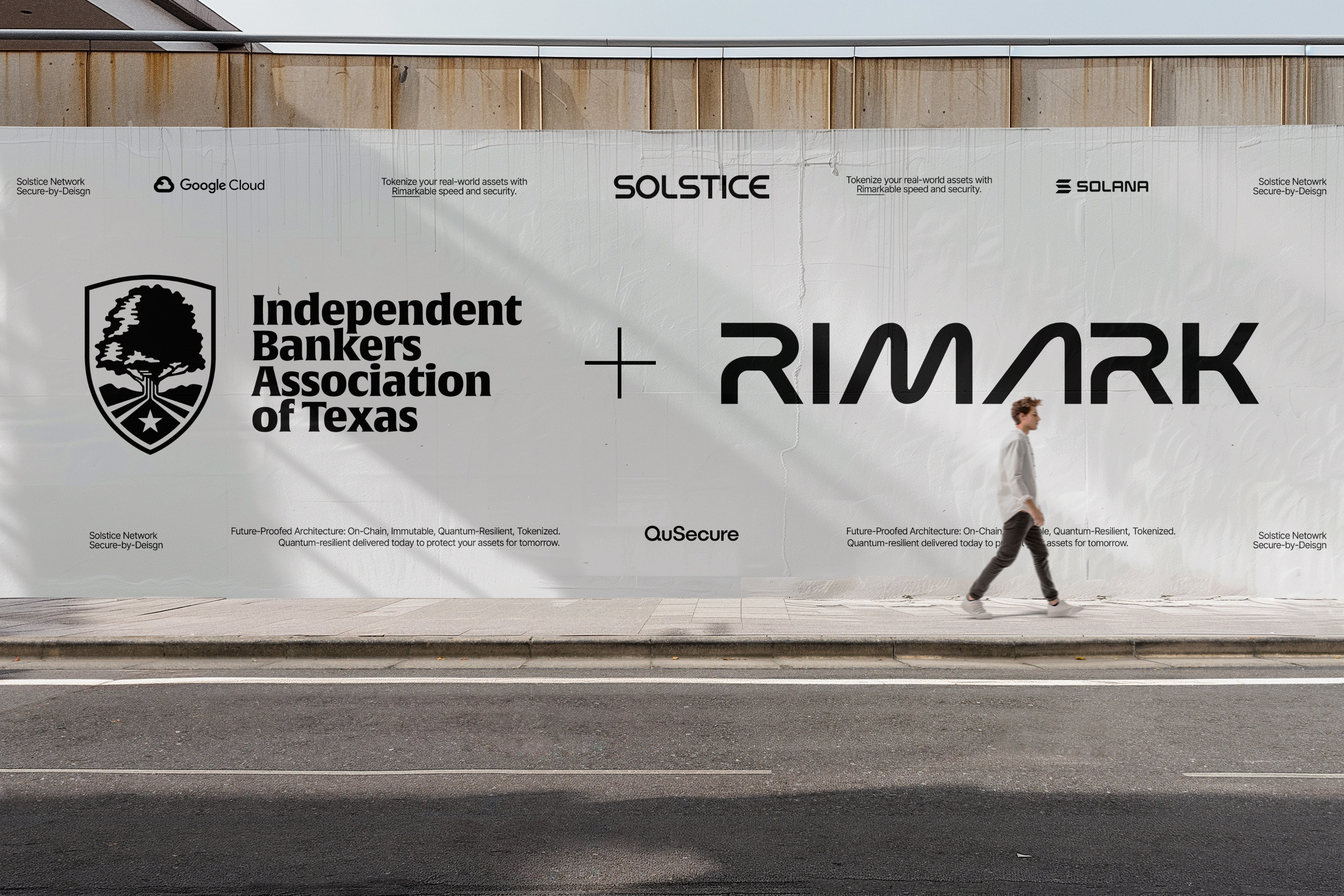
Rimark and IBAT are partnering to give community banks the ability to move money in real time on a platform they own — with more than sixty banks already backing the initial pilot. IBAT selected three technology partners for IBAT DTX, its push to get community banks tokenized-deposit tech that's actually theirs. Rimark was chosen for the settlement layer, alongside Infinant and Privacy Lock.
In IBAT's words, Rimark was selected “for its proposal centered on Project CODA, a bank-governed settlement network designed to enable tokenized deposits while keeping deposits on participating banks' balance sheets.”
So what does Rimark actually bring to the table? Two things.
First, Solstice Protocol — the tech itself. Think of it less as one single source and more as multiple channels that act as a toolkit banks can build on. It works in two layers: Solstice Core runs inside a bank's own walls, handling the issuing and managing deposits, while Solstice Network is the shared layer where money physically moves between banks in real time. To add to it, extra security measures and compliance checks are baked into the tech itself. And because it's modular, a group of banks can stand up their own dedicated platform instead of getting forced onto one generic rail everyone else uses too.
Second, there's Project CODA — the rulebook. This is the bank-and-regulator consortium that sets the standards and network rules, and Solstice enforces those rules in the back-end. Rimark builds and runs the tech; the banks, through CODA, own the rules. Why does this matter? Because it means no single company can quietly rewrite the terms of a system its own members are supposed to govern.
Some context on IBAT: Based in Austin, it was founded in 1974 and is now the largest state community-banking group in the country. We're talking 2,000+ banks and branches across 700 cities and communities in Texas, ranging from $27 million to $50 billion in assets, adding up to $256 billion combined.
Why does this matter for community banks? Two reasons, really — the benefits of moving money faster, and the fear of getting left behind if they sit still. IBAT's president and CEO, Christopher Williston, is direct about the second:
“The work of IBAT DTX is essential to ensure that community banks retain their central and trusted role in deposit ownership. We cannot afford the economic consequences of community banks being left behind in the next phase of financial services innovation.”
Here's what that actually looks like in practice because “faster payments” undersells it. On Solstice, a tokenized deposit moves in one step: both sides of the transfer happen together, right away, instead of clearing through separate systems on separate timelines. Compliance rides along with the transfer itself — the rules, the paperwork, the audit trail — instead of getting pieced together after the fact. And the deposit never leaves the regulated world: it stays on the issuing bank's balance sheet, stays insured, stays that bank's customer. Worth being clear: these are tokenized deposits, not a stablecoin pulling money off the bank's books.
Rimark's founder and CEO, Jeremy Vaughn, put it this way:
“The Solstice Protocol brings community banks real-time settlement and tokenized deposits — technology the biggest banks have kept in-house — and Project CODA lets those banks govern it themselves. That's a genuinely new thing in banking, and it's the opportunity we started Rimark for. We're excited to build something Rimark-able with IBAT.”
Solstice is also built for the quantum era — a threat regulators are already sounding the alarm on. Every connection into the network, from validators to nodes to APIs, is post-quantum authenticated today, and the platform is crypto-agile by design: built to adopt NIST's post-quantum standards at the protocol layer as they land. And a bank can plug into it without ripping out the core system it runs today.
That's also why this is starting in Texas instead of ending there. CODA is built so whether you're a $27 million bank or a $50 billion bank, you'll play by the same rules. Over the next few months, Rimark and the member banks will keep refining the platform, using the pilot and feedback from banks as the proving ground where the stakes — and the difficulty of doing it alone — are highest. And the model itself doesn't really have a ceiling. Moving money in a way that keeps deposits insured, customers local, and the rules owned by the banks themselves isn't a niche feature for small banks — it's what banking tech probably should've looked like from the start. It's just showing up first in the places everyone else had counted out.
Community banks were supposed to be disruption's next casualty. Instead, they're helping write the rules the rest of the industry will end up following.
Read IBAT's announcement: Three Fintech Innovators Selected to Advance IBAT DTX.